I went back to Kuala Lumpur after a long while.
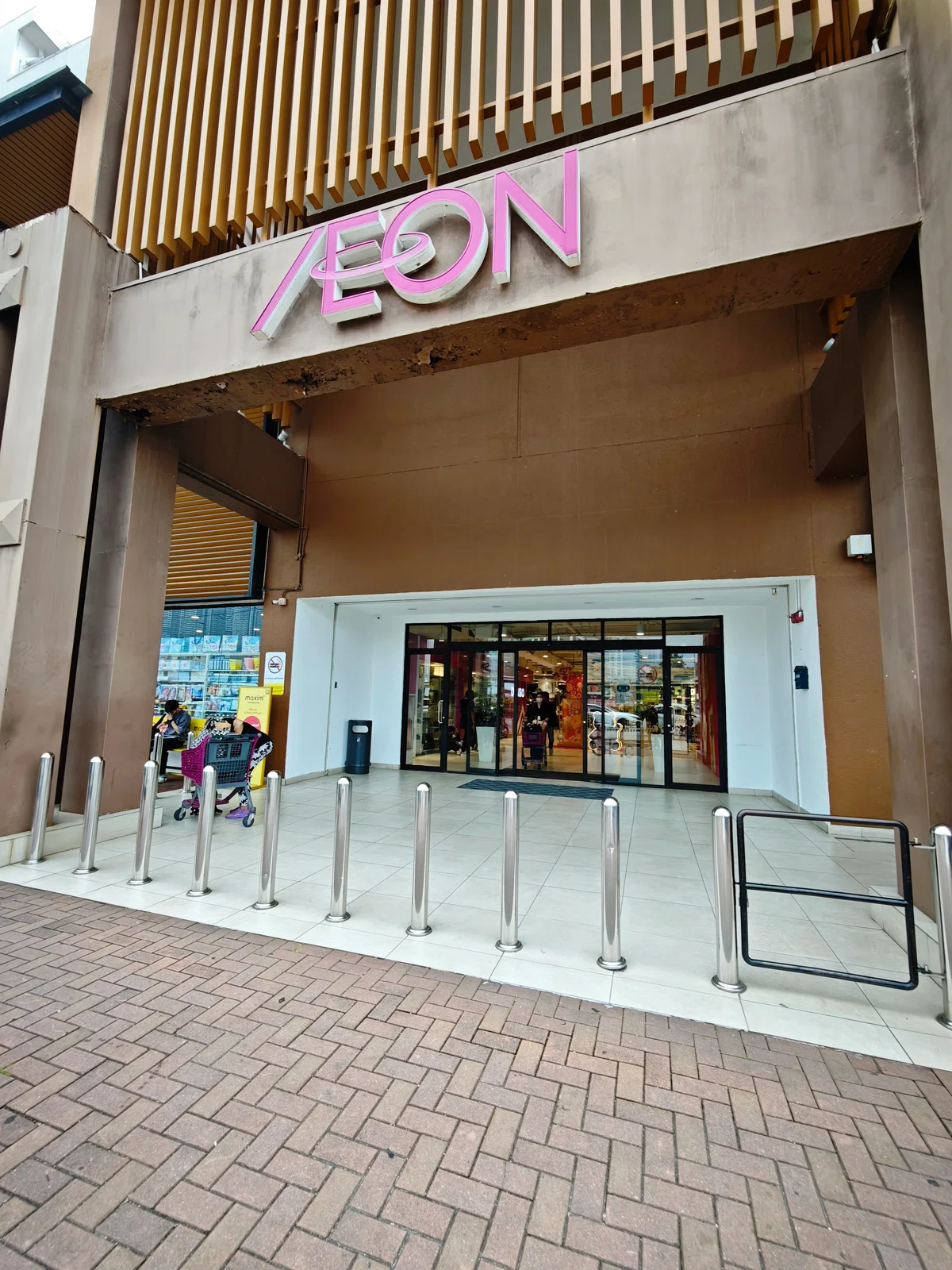
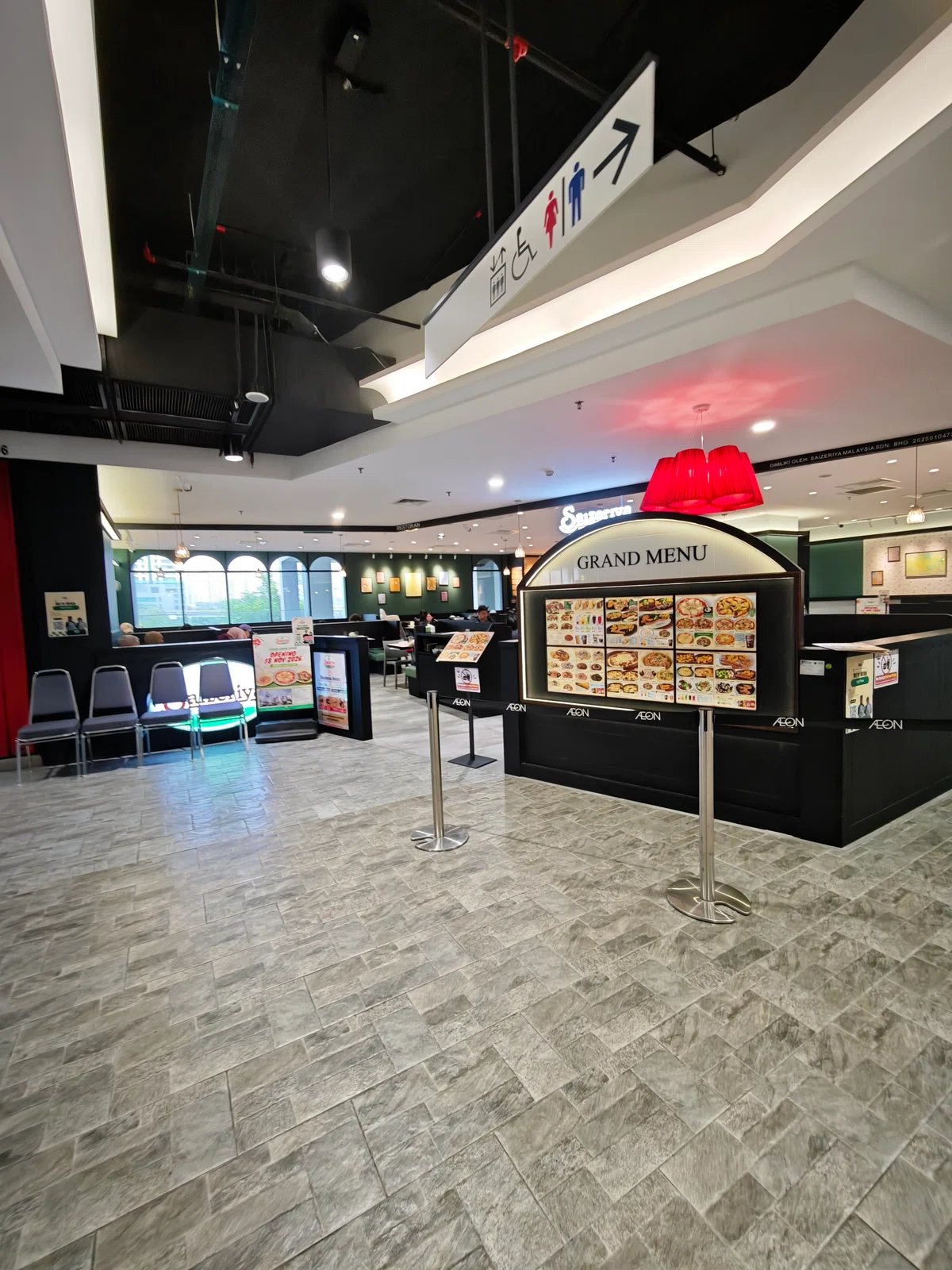
One of my goals was to see Saizeriya's first store in Malaysia.
It is in AEON Mall Taman Maluri.
A local mall in a residential area, a little outside the center of KL.
Honestly, when I first heard the location, I thought, "Why there?"..
The obvious comparison is Sushiro.
Sushiro's first Malaysian store sits at Suria KLCC, at the foot of the Petronas Twin Towers.
It is KL's ultimate "flagship" location, drawing tourists and locals alike.
Both are Japanese restaurant chains.
Both chose Kuala Lumpur.
Yet their approach to the first store is 180 degrees apart.
The flagship first store, and the everyday-life first store.
This trip became a study of that difference.
"Put your first store in a prime location," people say
Open your first overseas store in a prime location, people say.
It will be the face of your brand, people say.
Treat any losses as advertising, people say.
Uncle Tetsu, the cheesecake brand, follows the same strategy.
It opens in the very best location in each city.
Sydney, Toronto, Auckland, Taipei, Riyadh, Dubai.
I visited every one of them, and it was the same everywhere.
Rent is disregarded and simply treated as advertising.
But is that really true?
When I visited, Saizeriya was about 80% full.
Almost all the customers were locals.
I saw hardly any tourists.
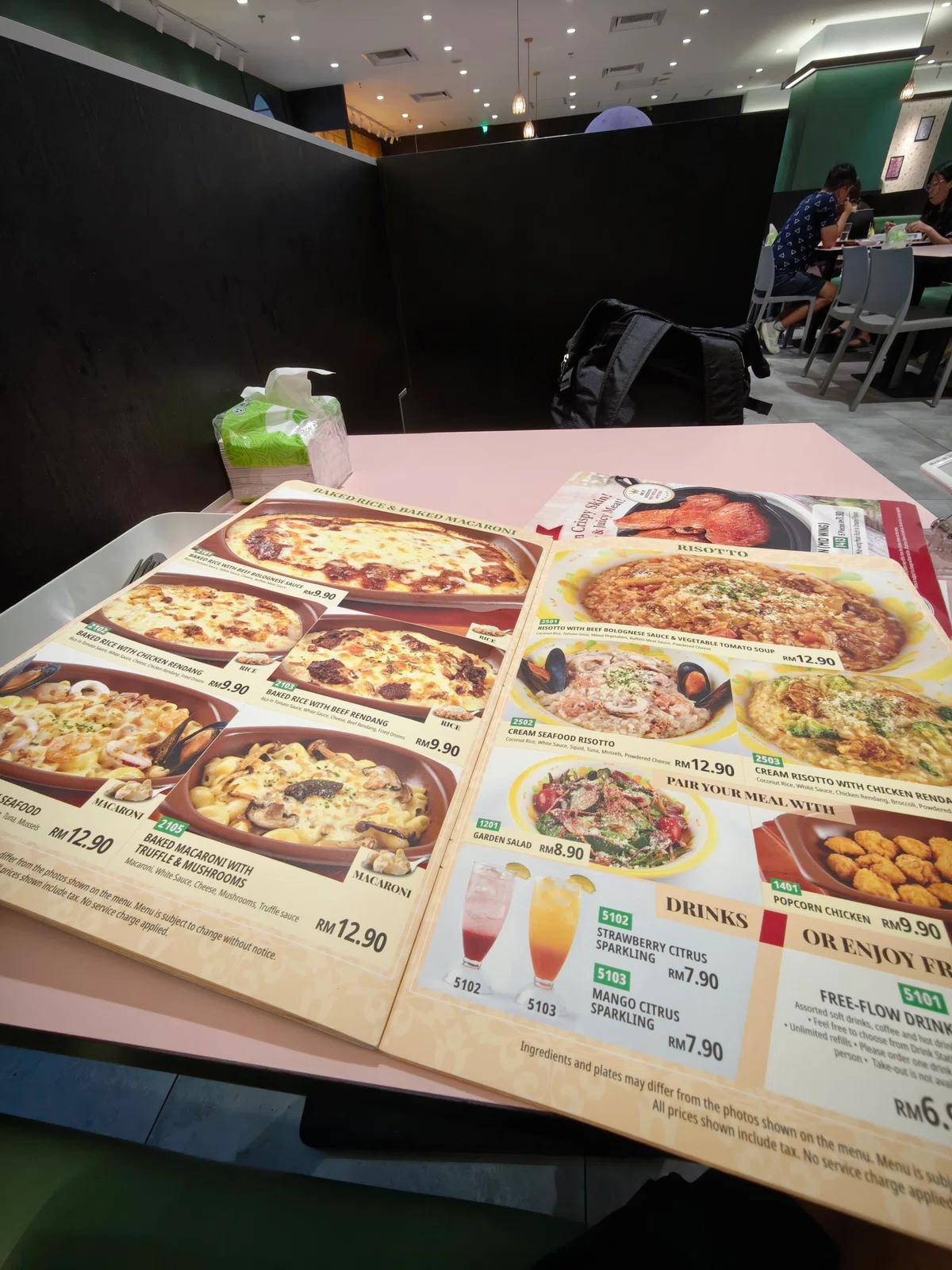
Pasta, pizza, doria.
Prices start from RM8.90, tax included, no service charge.
Coming from Singapore, I had to look twice😁
And the key point is halal.
Saizeriya has created a local menu for Malaysia and built it to be halal.
Halal Italian food, and overwhelmingly affordable.
Isn't that a position Malaysia somehow never had until now?
A local mall, local customers, local prices.
Even as the very first store, it has already blended into the community.
This is a first store placed not as a "flagship," but in people's everyday lives.
Saizeriya has been building its roots in Singapore since 2008.
That experience seemed to show in this choice of location.
Its chances of success in KL are high.
Beyond that, I can see a path into Indonesia and other countries with large Muslim populations.
Sushiro takes the "classic mall route"
Then there is Sushiro.
Since opening in 2025, the KLCC store had long queues.
But this July, it temporarily closed following guidance from the health authorities, and it seems the store stayed shut for a while.
Overseas, Japanese hygiene standards do not always translate as they are.
Rules, operations, and the strictness of inspections differ from country to country.
I have had my own painful experiences with hygiene in running restaurants.
So I cannot see this as someone else's problem..
Even so, Sushiro does not stop.
In July it opened its second store at 1 Utama, followed by a third at Sunway Pyramid.
I visited both, and both are among KL's leading large malls.
In Singapore and elsewhere in Asia, Sushiro is strong at opening in major malls.
It is moving straight down the classic mall route.
This is not about which one is right.
When brands have different personalities, their first stores can be placed differently.
The transformation of Sunway Pyramid
What surprised me most this time was Sunway Pyramid.
About ten years ago, we opened a Saint Marc Café there.
Capricciosa's first store in Malaysia was also here.
Back then, to be honest, Pyramid was an old mall.
The building was big, but what was inside had not kept up.
Now it has become a remarkably good mall.
Tenants have been replaced, and the interiors have been properly renewed.
I used to think KL's "good malls" were 1 Utama, Mid Valley, and Pavilion.
Pyramid has now confidently joined that list.
Malls are like people: if they stop changing, they gather dust.
As the Japanese saying goes, stagnant water collects debris.
TRX and LaLaport: light and shadow
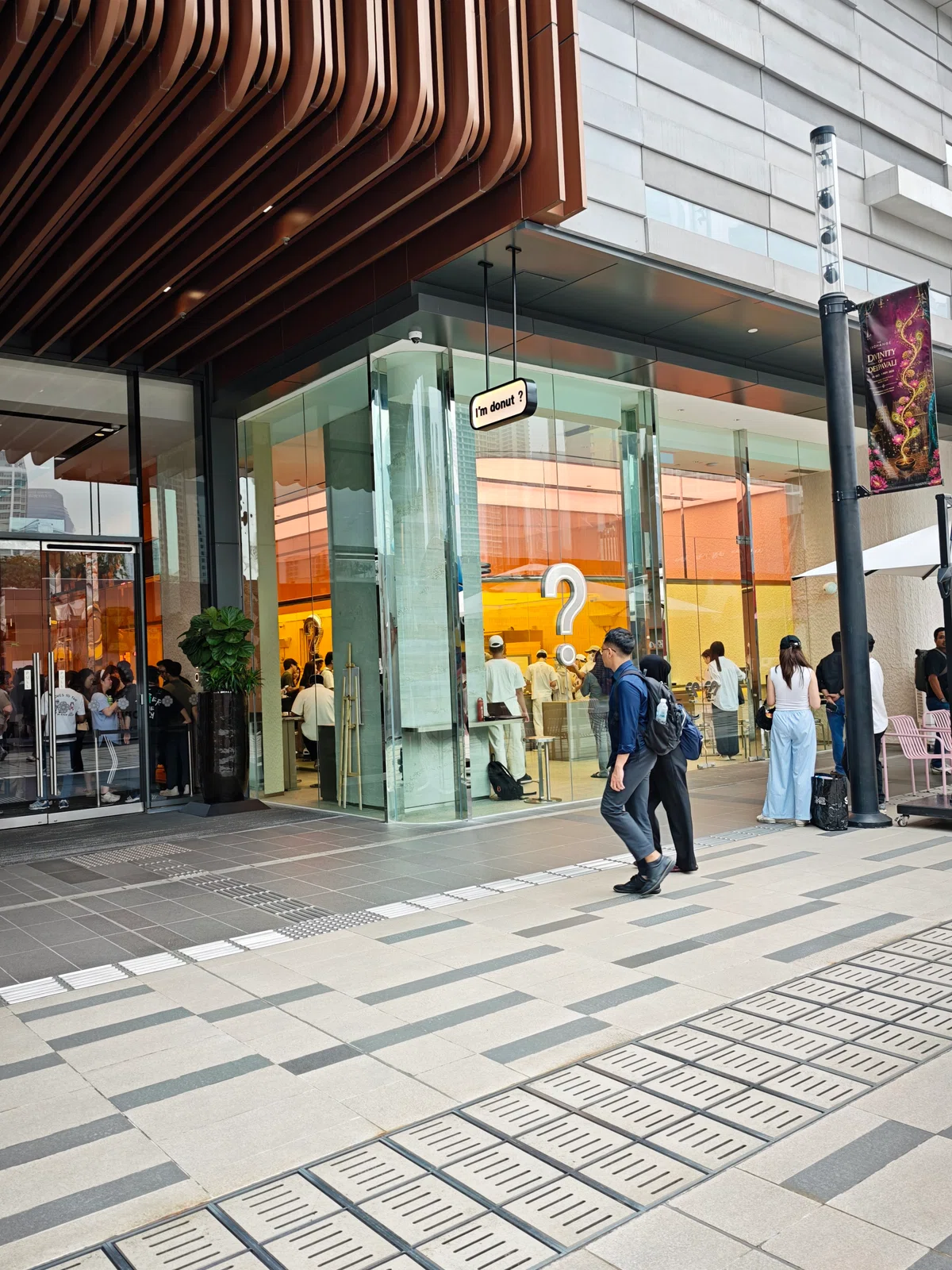
Another change was TRX (The Exchange TRX).
I felt it has now overtaken Pavilion as KL's top luxury mall.
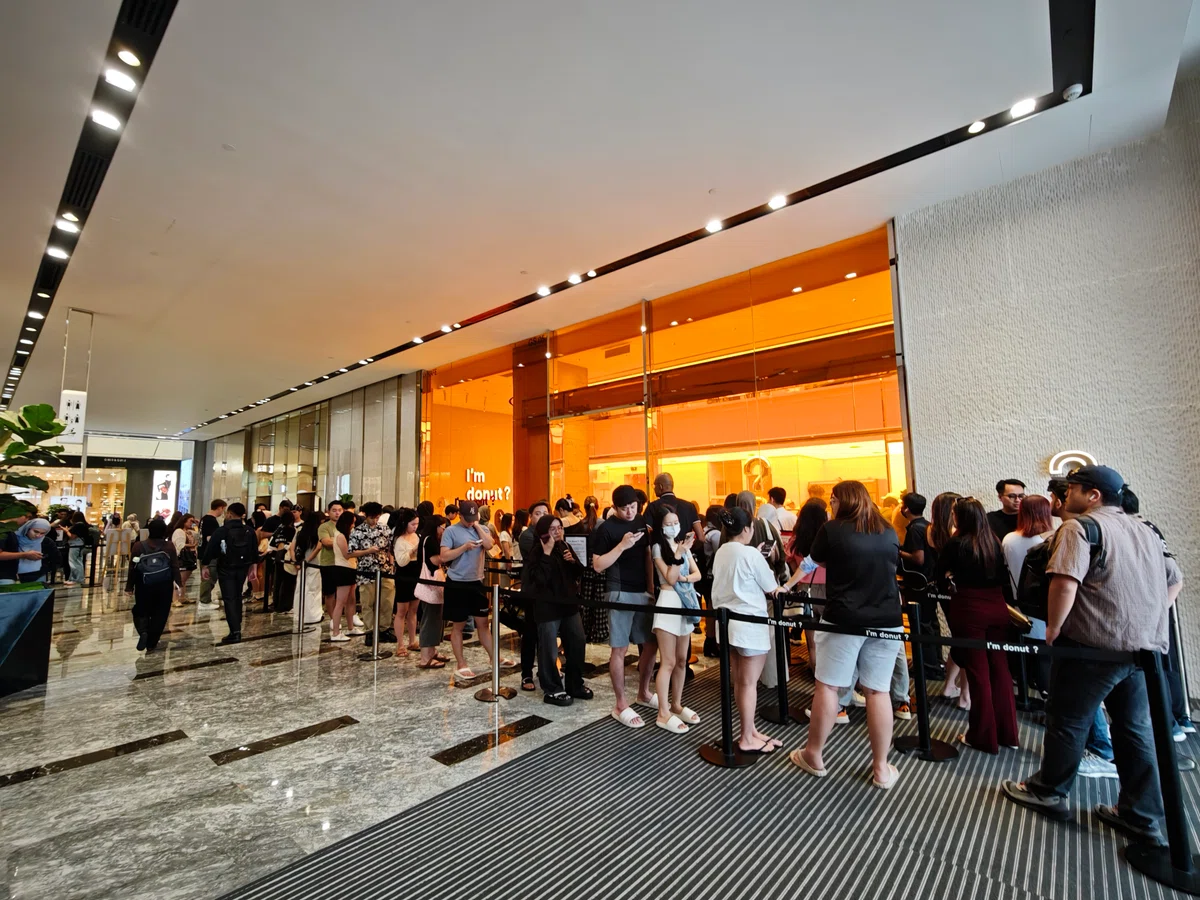
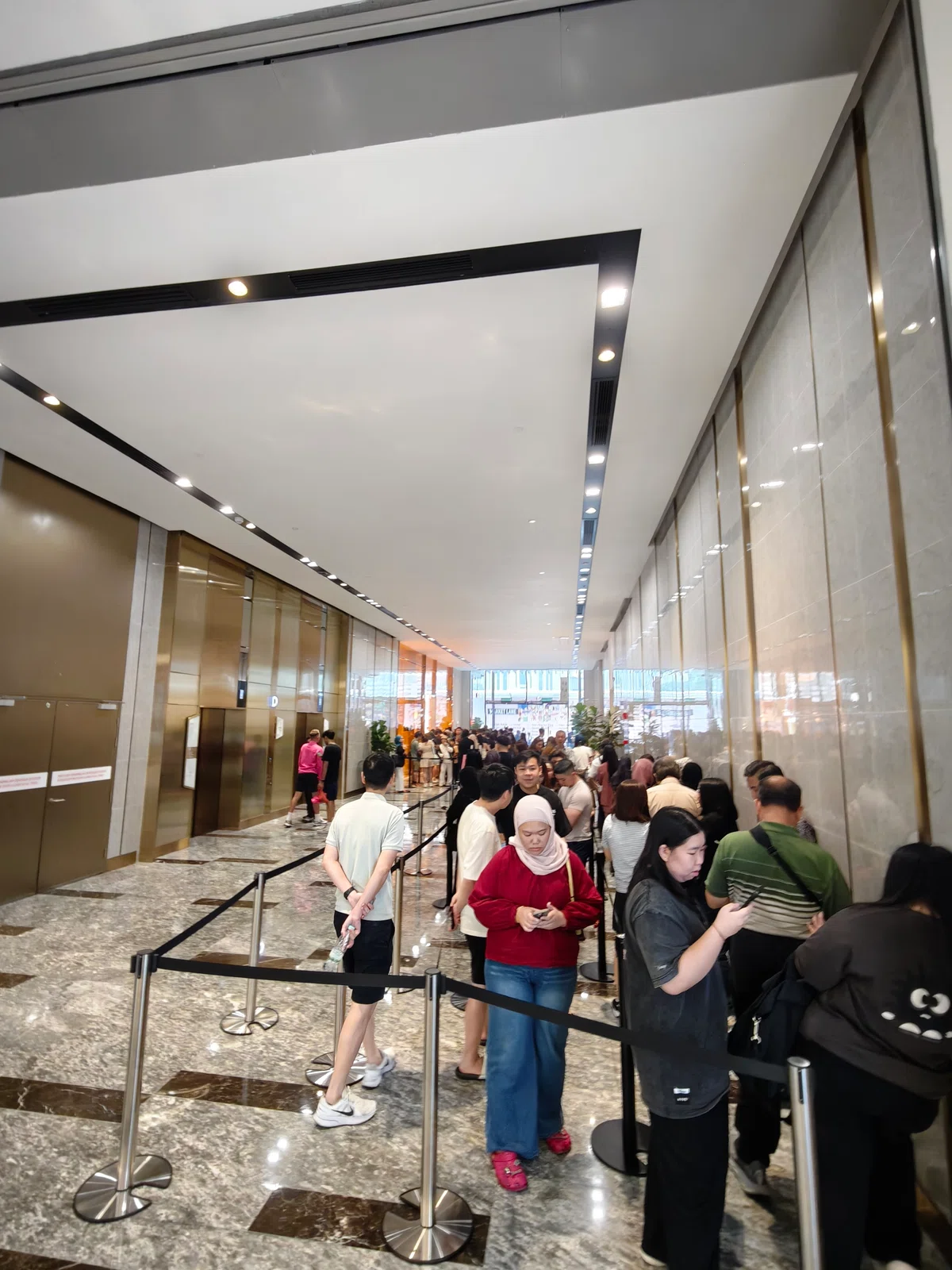
In September, the Japanese "nama donut" brand I'm donut? opened here.
I heard around 300 people lined up at the opening, and the popularity still doesn't seem to have faded.
As for the taste... that's for another time😊
I also made the rounds of the well-known malls, including Lot 10.
In contrast, there was LaLaport BBCC.
There were simply very few customers.
Many Japanese tenants have moved in, but there are still empty units.
What concerned me most was the outdoor walkway.
Compared with the indoor corridors at Pavilion, the air conditioning barely works, and it is very hot.
There was a monjayaki shop out there, and I thought it must be quite a struggle in terms of sales..
In this heat, how many people want to sit in front of a hot iron griddle?
It is also a location that one of the ramen brands we support decided to pass on.
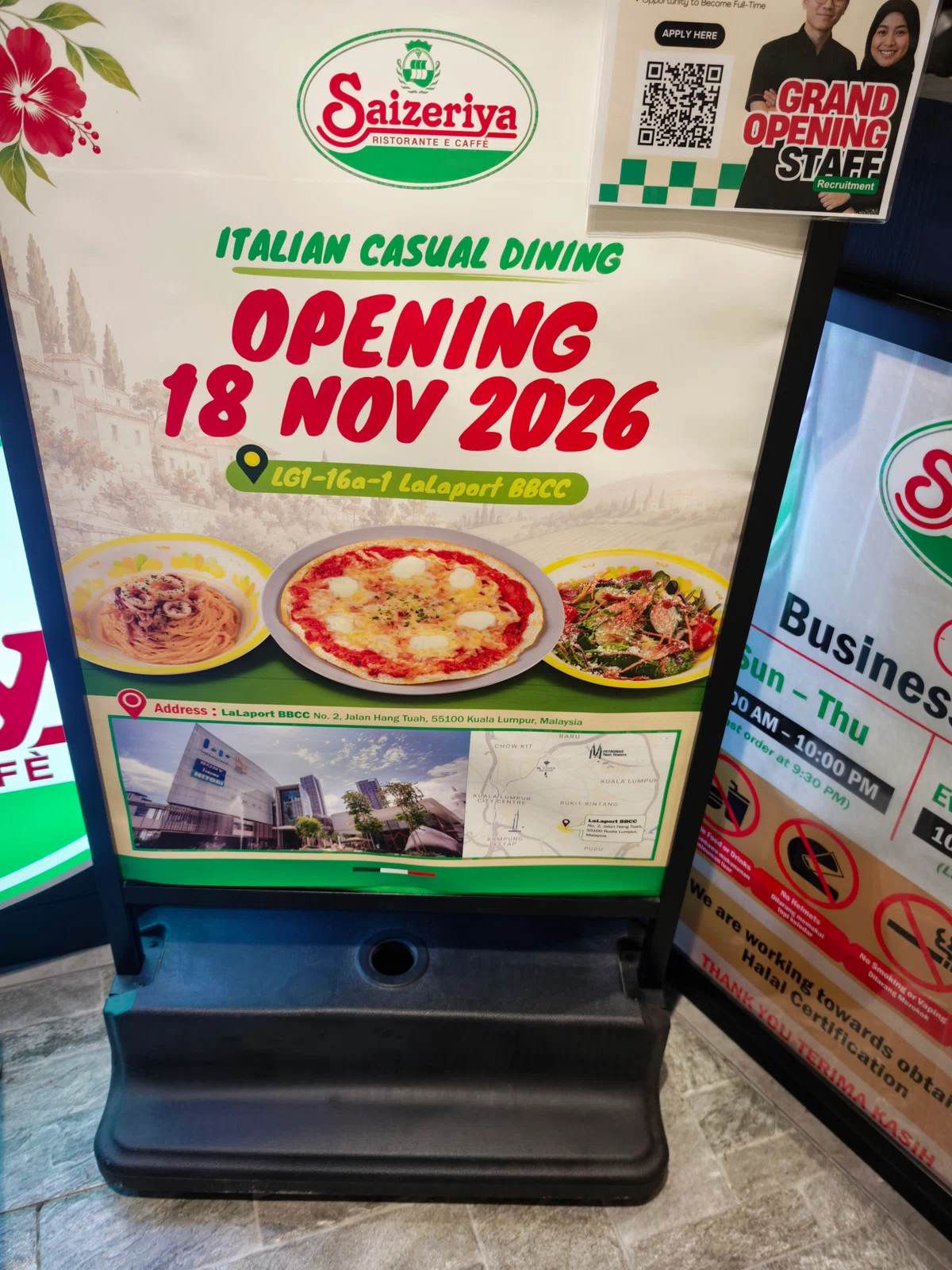
Saizeriya's second store opens next month at that very LaLaport BBCC.
Why LaLaport, for a Saizeriya that went so local at Taman Maluri?
I feel there must be better locations available for Saizeriya..
Once it opens, I plan to go and see it.
A city Muslim travelers aspire to
Walking around the city, one thing became clear.
Kuala Lumpur has become a "dream destination" for Muslim travelers from ASEAN and South Asia.
There were truly many visitors from Pakistan, Bangladesh, and ASEAN countries.
The reasons are easy to imagine.
Malaysia observes Islamic principles firmly.
Food and prayer are well provided for, so people can travel with peace of mind.
That is quite different from Indonesia, even though both are Muslim-majority countries.
And prices are low.
Coming from Singapore, even a simple lunch is surprisingly cheap.
On the other hand, visitors from the Middle East, whom I used to see often, had clearly decreased.
Malls used to be full of women in black attire showing only their eyes.
This time I barely saw any.
Probably the effect of the situation in the Middle East.
A construction boom, and AI data centers
In the city center and in areas a little farther out, construction of condominiums and buildings never stops.
I hear AI data centers are being attracted one after another.
Opinions on the Prime Minister seem to have both good and bad sides, but many people told me the economy is doing well.
The KL of the past left an impression of a somewhat cluttered, dirty city.
Today, it is clearly a city with momentum.
The "litmus test" for the Islamic world
Now to the main point.
When Japanese brands expand into the Islamic world, where should the first test be?
I believe it is Kuala Lumpur.
Halal standards are clear.
Muslim travelers gather from across ASEAN and South Asia.
If a brand is accepted here, its reputation travels home with those visitors.
Whether you succeed in KL is a preview of whether you will succeed in the Islamic world.
Of course, Malaysia's JAKIM halal certification is a must.
Seen this way, Saizeriya placing a halal first store in a local mall makes perfect sense.
Another lesson was the momentum of Chinese brands.
Chinese restaurant brands are opening at a tremendous pace, with new concepts arriving one after another.
Japanese brands cannot afford to let their guard down.
Six hours by bus from Singapore
KL is one hour from Singapore by plane.
By bus, it takes about six hours.
A friend in KL told me the bus is better once you count the waiting time at the airport.
On my way back to KLIA2, it was a rainy Friday evening.
A drive that usually takes about 40 minutes took a full hour and a half.
I arrived at the airport just 35 minutes before departure.
For an international flight, no less..
Immigration, security, and the gate were all on my side, and I made it...
KL's airport is far.. that's the one drawback...
It is close.
And because it is close, I tend to think "I can go anytime" and keep putting it off.
Walking the city again after so long, I realized what a waste that is.
Seeing once is better than hearing a hundred times, and tasting once is better still.
From now on, I want to visit KL more often and keep benchmarking Muslim-friendly restaurant concepts.
Your first overseas store:
a "flagship," or "everyday life"? It's a difficult choice.
Assentia Holdings, Inc. / Assentia Holdings Pte. Ltd.
Akira Tsuchiya